The Money Appeared From Nowhere — But the Cost Didn't
In part one, The Money Machine, we got halfway through: the government lives on borrowed money, its bond auctions never fail, and when nobody will really buy, the Fed steps in and buys the debt with money typed into existence from nothing. (If you haven't read it, start there — this will flow better.) Money can be conjured from nothing — and once you see that, a bigger question surfaces: what about the cost? Who pays? In this part, we finish taking apart the back half of the machine.
How Can Someone Who's Broke Play the Lender?
Now we can answer that odd thing from the start: how does a government living on borrowed money lend to others? Same keyboard. When the US "lends" dollars to a foreign central bank (the move has a name — a swap line), it isn't cracking open a vault and shipping out taxpayers' cash. It uses the exact trick from a minute ago: types the dollars into being on the spot and sends them over. So it's not "I've got money, so I can lend to you." It's "I can print without limit, so I can lend to you whenever." That's the secret to how a government that's broke on paper still gets to play banker to the world: its "money" isn't a pile, it's an act it can pull out of thin air, any time it likes.
Can't Pay It Back? Then Pretend
Will that conjured money ever get repaid? Swap lines aren't new — the Fed cracked them open in the 2008 crash and again in 2020. But here's the thing: back then it only lent to a handful of the steadiest central banks — Europe, the UK, Japan, Canada, Switzerland — and afterward they paid it back, and once repaid, those conjured dollars vanished again. Borrowed and returned, the machine stayed sort of honest. Trouble is, the guest list is loosening, letting in members whose finances are shakier. And the shakier the member, the likelier one thing gets: it comes due, and they can't pay. So what then? They stall — push the due date back; that comes due and still can't be paid, so they push it again, pretending the whole time that everything's fine. Wall Street's got a perfect name for it: amend, extend, and pretend. And that's where it turns dangerous: as long as nobody pays it back, that conjured money never disappears. It just stacks higher and higher, with no end.
Why Now
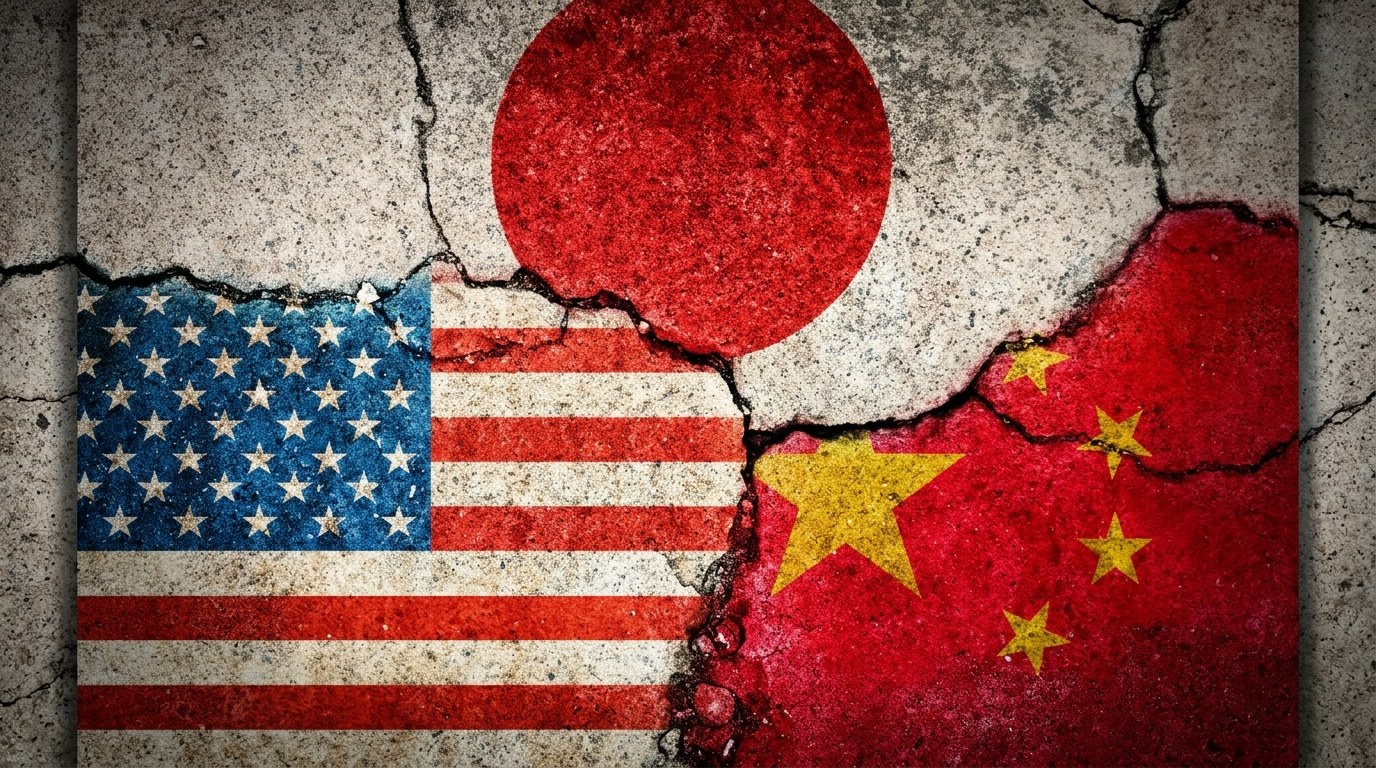
So why's it flaring up now? Because the pressure's rising. In 2026 the Middle East got tense — the US and Iran at war, the Strait of Hormuz choked off for a stretch — oil prices shot up, and a pile of countries, needing a big lump of cash to defend their own currencies and cover ballooning energy bills, reached for one of the most sellable big things they own: US government bonds. And it really happened: in March 2026 alone, countries net-sold over a hundred billion dollars of Treasuries, Japan and China out front; China cut its stack to an 18-year low, swapping into gold as it went. This is exactly the picture Washington dreads — a few big holders selling at once can stomp bond prices flat and send yields haywire. So Washington's got one hand catching the sell-off and the other going door to door: "I'll lend you money, here's your line of credit, just don't rush to sell." It even did something rare in the middle of that same energy crisis — briefly easing sanctions on Russian oil, so the most oil-starved countries had somewhere else to buy crude and weren't shoved into a corner. On the surface, energy policy. Underneath, it's circling the same one thing: keep energy and the dollar steady, and don't let the pressure in this borrowing machine blow all at once.
So Where Did the Bill Get Mailed?
Fast-forward the whole line: government's short on cash, issues debt, and when nobody wants it the Fed conjures money to buy it — and that conjured money also gets lent out to prop the whole room up. On the surface, everybody's fine: the country that needed dollars got them, the bond market didn't crater, the government even looks like the hero who held it all together.
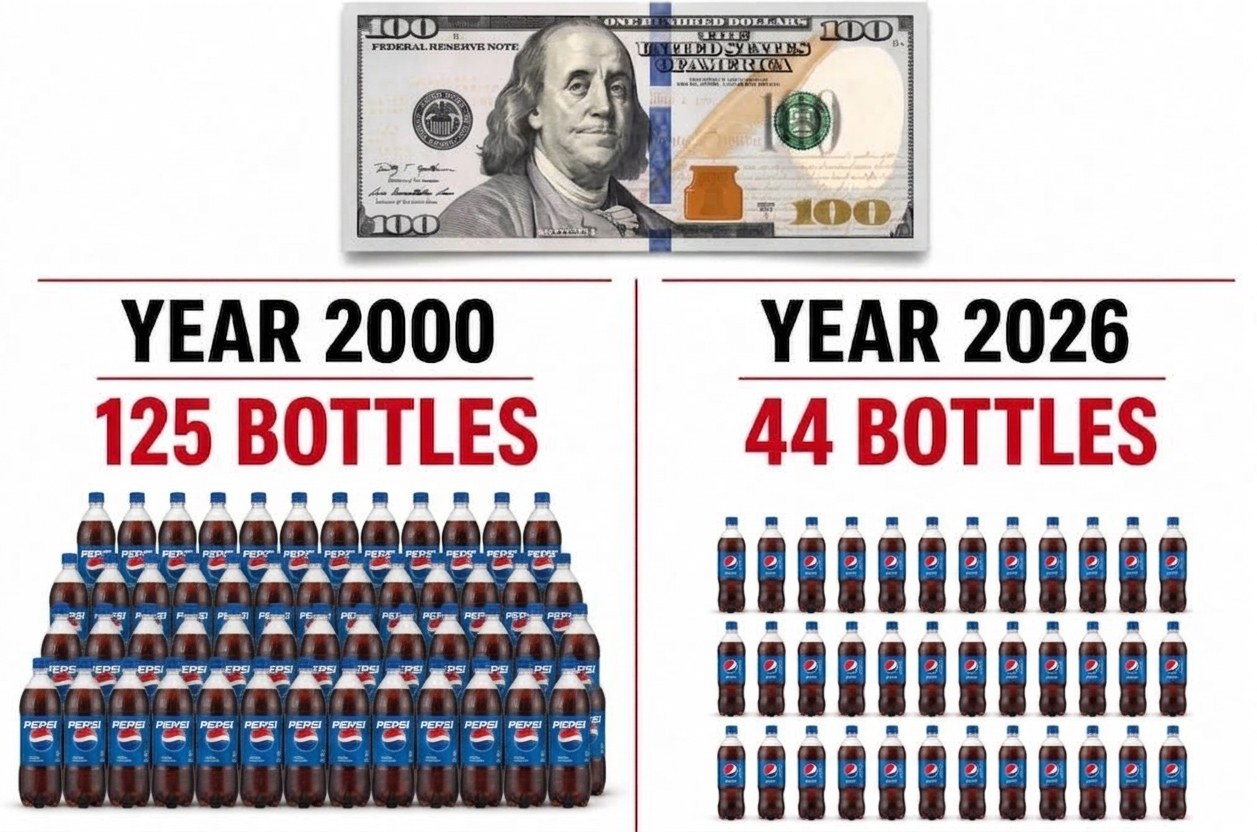
And the bill? The bill didn't disappear. It just got mailed to a place with no name on the door — the dollar itself. Every dollar conjured from nowhere waters down, by a touch, every dollar already there. There's more money now, but the real stuff in the world — houses, food, energy — didn't multiply to match, so each dollar buys a little less. Here it is made plain: the same $100 bill that bought well over a hundred bottles of soda in 2000 buys only about forty-odd today — the money didn't vanish, it quietly got thinner. That bill never lands on a headline or in some auction result. It shows up quietly, somewhere else: your groceries cost a bit more, your rent nudges up, your paycheck can't keep pace with the shelf price. That's inflation. It's the government's handiest invisible weapon — because unlike a tax hike, it needs no vote and takes no blame; it smears the cost across years, so slow and so fine that nobody can trace today's egg price back to the keys the Fed tapped two years ago. So the blame always lands on someone else — greedy companies, foreigners, the last administration.
Don't Kid Yourself This Is an American Problem
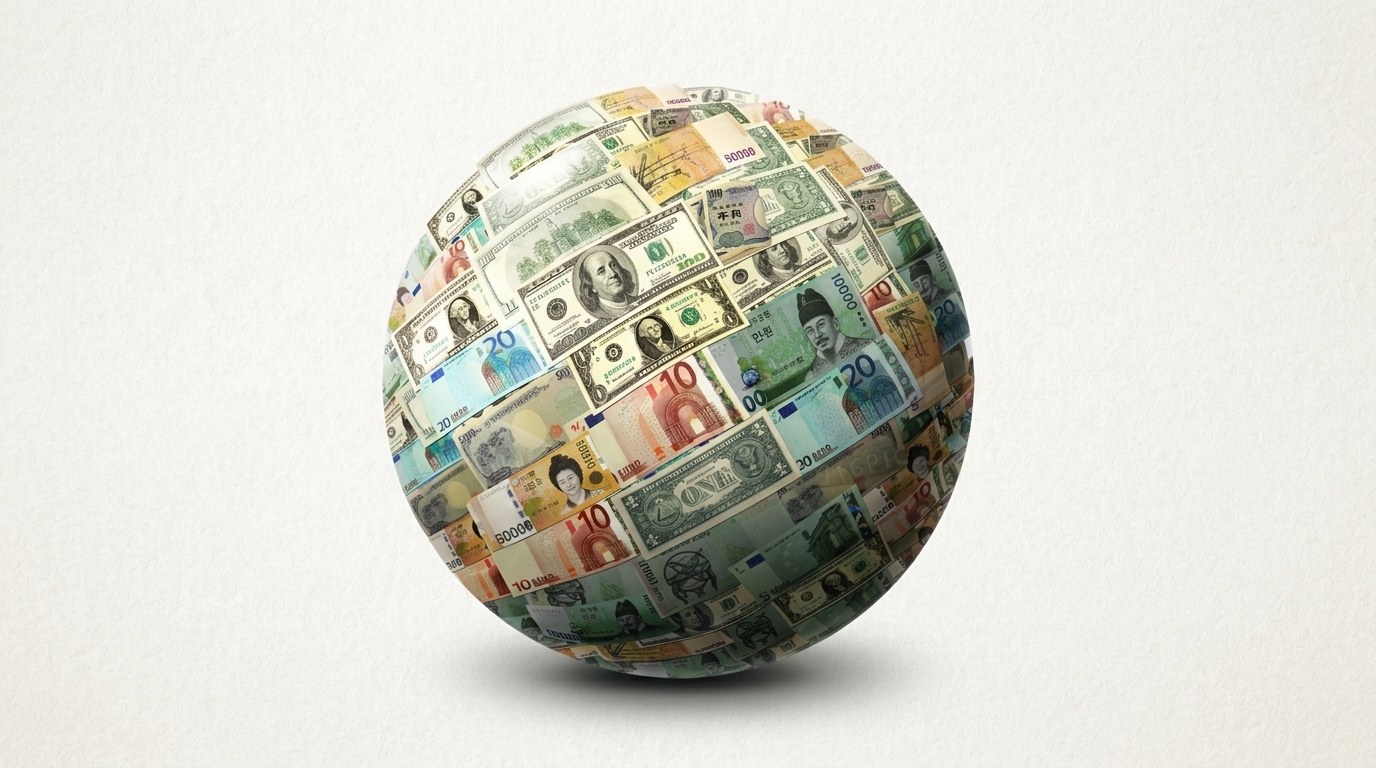
By now you might be thinking: that's America's mess, not mine. Exactly backwards. The US machine is just the biggest and clearest one going — but nearly every country that prints its own money runs on the same logic. After 2008, after 2020, the European Central Bank, the Bank of Japan, the Bank of England — all of them printed money to buy bonds on a huge scale, the very same QE. In the more extreme spots — Argentina, Turkey, Zimbabwe, Venezuela — currencies fell apart, prices multiplying several times over in a single year. And forget the extremes: just stretch the timeline and nearly every fiat currency loses purchasing power — the same sum bought your parents' generation far more than it buys you today. So whether you're holding dollars, euros, yen, or Taiwan dollars, you are not standing outside this story. Inflation is happening everywhere at once. The only difference is speed. Nobody gets to duck it.
300 Years On, Same Show
Remember John Law? When the French finally snapped awake and rushed to swap paper for gold, they found nothing behind it. In that instant, the ones clutching fistfuls of paper were wiped clean — and the ones who'd swapped early into land, gold, real things, walked away alive. Three hundred years later, gold became government bonds and the printing press became a keyboard, but the nature of the machine — and the lesson it hands ordinary people — hasn't changed a word: the crisis was never really dodged. It was just moved — broken up, watered down, and quietly mailed into your pocket.
The crisis was never really dodged. It was just moved — quietly, into your pocket.
So What Can People Like Us Actually Do?
Seeing the machine is the unsettling part: if my cash is doomed to slow dilution, what am I supposed to do — guess when the next crash lands and shove everything into some safe-haven thing? No. The machine's most honest lesson is this: you can't predict it and you can't stop it, but you don't have to stand on the side it waters down. When "cash" is the thing that quietly shrinks, what you do is turn that cash — with discipline, without stopping — bit by bit into assets that build up and hold their ground against dilution. Not timing it, not betting the farm in one shot, but doing it on a fixed schedule, spread out, slow and steady — which is exactly what dollar-cost averaging is. It swaps the anxiety you'll never win ("when does it crash, should I jump in?") for one small, fixed move you fully control. When France woke up, what decided a person's fate wasn't how clever they were — it was whether they were holding paper or something real. The quiet machine today is asking the very same question.
This Is Only the Beginning
Interest is the price of money — and that price, in the end, gets paid with your purchasing power. From here, following the news as it comes, we'll pull the machine apart one piece at a time, and see it a little more clearly each round. Because as long as it keeps turning, the story of the cost of money doesn't end.
This is the sequel to The Money Machine; parts of its narrative and framing are drawn from a public video by The Jay Martin Show, together with public financial data (changes in foreign holdings of US Treasuries, swap lines, central-bank QE, and so on). This article is educational and does not constitute investment advice.