
A Weekend Match Isn't the Same Game as the Pros Play
Imagine playing tennis on a Sunday afternoon. If you are watching professionals, the game can look like a battle of spectacular shots — the serve is fast, the ball lands inches from the line, a player finds an angle that seems almost impossible to return. At that level, winning often looks like creating something your opponent simply cannot handle. But put two ordinary weekend players on the court, and the game changes. They are not hitting aces every other point. They are not painting the lines. They are trying to keep the ball in play. A player does not necessarily win because they hit the most brilliant shot — sometimes, they win because they make fewer bad ones. One serve goes into the net. Another ball sails long. Someone tries to hit a winner from an impossible position and gives away the point. Before long, the match has been decided by mistakes rather than brilliance.
That simple difference is at the heart of Charles Ellis's idea of the Loser's Game. Ellis first wrote about the idea in 1975, using examples from tennis and other competitive games to explain why professional money management was becoming less about finding easy opportunities and more about avoiding costly mistakes. It sounds almost backwards — isn't investing supposed to be about making more money? Why would avoiding mistakes matter more than finding great opportunities? Because the game itself can change.

When everyone gets better
There was a time when an investor could gain an advantage simply by knowing something other people did not. Maybe you found an overlooked company. Maybe you understood an industry better than the market. Maybe you got important information before everyone else did. The advantage was often about finding something that others had missed. But markets did not stay that way. Information became easier to access, research tools improved, professional investors became more sophisticated, technology made it easier to analyze, trade, and react. And there is an uncomfortable part to all of this: your competition got better too. The moment a useful way of analyzing the market becomes widely known, you are no longer the only person using it. When thousands of highly trained investors are looking for the same opportunities, being a little smarter or working a little harder does not automatically create a lasting edge.
That is what makes the Loser's Game so interesting. It does not mean there are no opportunities left. It means the way you win may have changed. When everyone on the court can play, you may not be able to win simply by hitting more spectacular shots. But you can still stop giving away easy points.
The same idea applies surprisingly well to investing. For many individual investors, the biggest problem is not that they have never heard of long-term investing. They know. The problem comes later. The market goes up, and suddenly they wonder whether they should be buying more. It keeps going up, and they worry about missing out. So they increase their contribution. Then the market falls. They start questioning the original decision. It falls harder. Now they wonder whether they should wait. Eventually, a plan that was supposed to last ten years can be rewritten several times in a single year. None of those decisions necessarily looks crazy on its own. The problem is that they are often made at exactly the moment when emotions are loudest.
Maybe the hard part isn't finding the answer
Ellis developed the idea further in *Winning the Loser's Game*. If investing has become a Loser's Game, how do you actually win? The answer is not to stop thinking. It is not to stop paying attention. It is to decide more carefully before the pressure arrives. How long are you investing for? How much are you going to invest? What would actually make you change your plan? What would not?
These questions are not nearly as exciting as finding the next Micron. But they may have more to do with what long-term investing actually requires. Because the market will always give you a new reason to change your mind — inflation, interest rates, a recession, a new technology, a new crisis, a new hot stock. If every change in the market forces you to rethink whether you should still be investing, then your long-term plan is not really a long-term plan. It is just a series of short-term decisions.
That suggests another way to think about being "active." Being active does not necessarily mean trading more. It does not necessarily mean predicting the next market move. Sometimes, the most useful thing you can actively do is decide your own rules before the market starts testing them.

The market can discover the price. You still have to discover the value.
Years later, Ellis made another distinction that takes the conversation somewhere deeper: price discovery and value discovery. Markets are very good at discovering prices. Buyers and sellers meet; information, expectations, fear, optimism, and risk are constantly being reflected in transactions. Markets can certainly get things wrong — bubbles happen, panics happen, prices can move far beyond what seems reasonable. But over time, an enormous amount of information and competition is brought together to answer one basic question: what is this asset worth in the market right now?
Then comes a different question — one the market cannot answer for you. What are you actually investing for? Ellis calls this value discovery. Not "how much will this stock return next year?" but "what do I want this money to accomplish?" Retirement? A home? A child's education? Financial independence? Or simply having more choices later in life? The market can give you a price. It cannot tell you what you want your money to do. That part is yours to figure out.
Knowing is not the same as doing
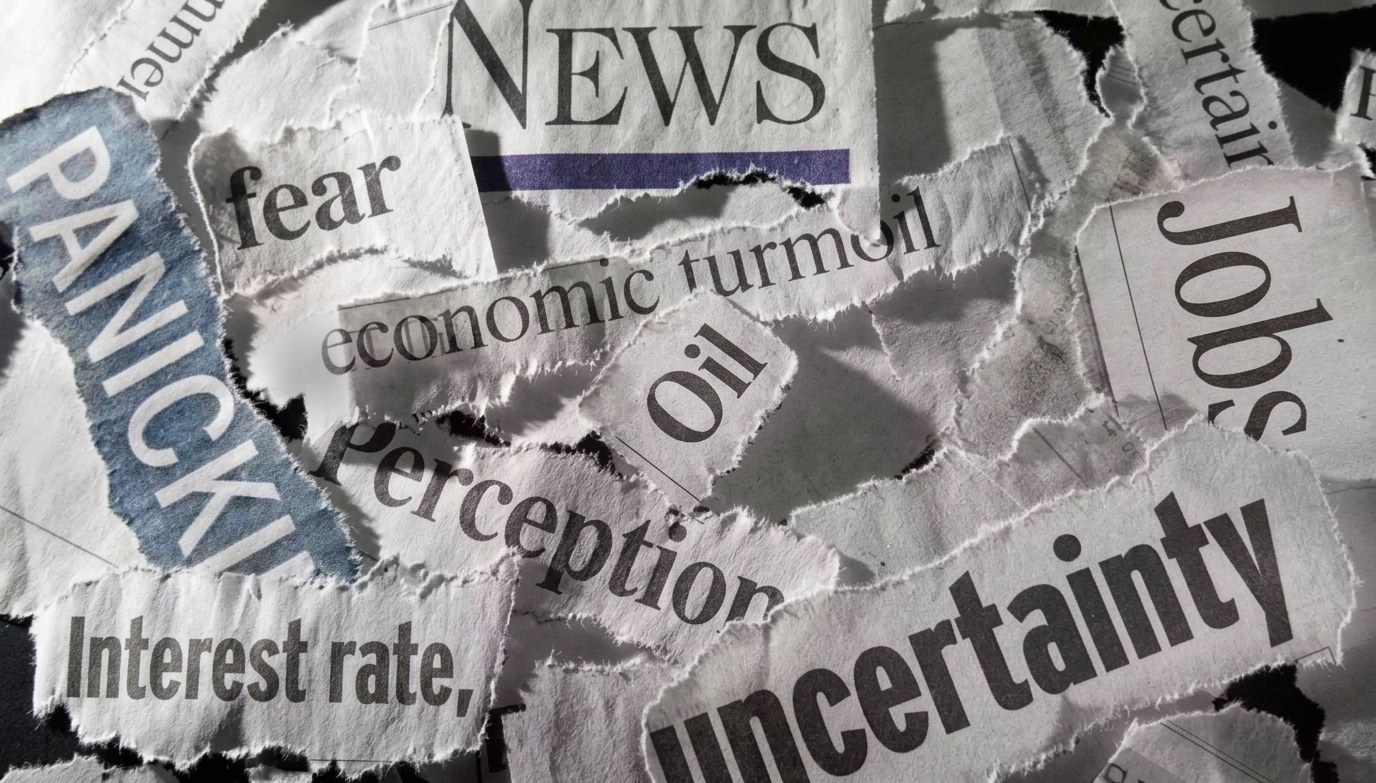
This is where investing gets strangely difficult. Most investors already know a surprising amount. They know that investing for the long term matters. They know that markets are difficult to predict. They know that chasing what has already gone up can be dangerous. They know that panic selling can damage a long-term plan. They know that constant trading has costs. They know that a good plan probably should not be rewritten every time the market moves. But knowing something and doing it are two very different things.
When you are actually in the market, a falling price is not just a number on a textbook page. It is your money. Your account balance changes. The headlines change. Someone else is making money somewhere. Your feed is full of people explaining why this time is different. And suddenly a very simple plan — "I'll invest every month" — turns into a dozen questions. Is it too expensive right now? Should I wait? Should I invest more? What if it falls further? Everyone else is selling. Should I really keep going?
The hardest part of investing may not be knowing the answer. It may be continuing to follow the answer when the moment arrives when you least want to believe it.
The hardest part of investing may not be knowing the answer — it's believing it at the very moment you least want to.
And that is where DCA becomes interesting
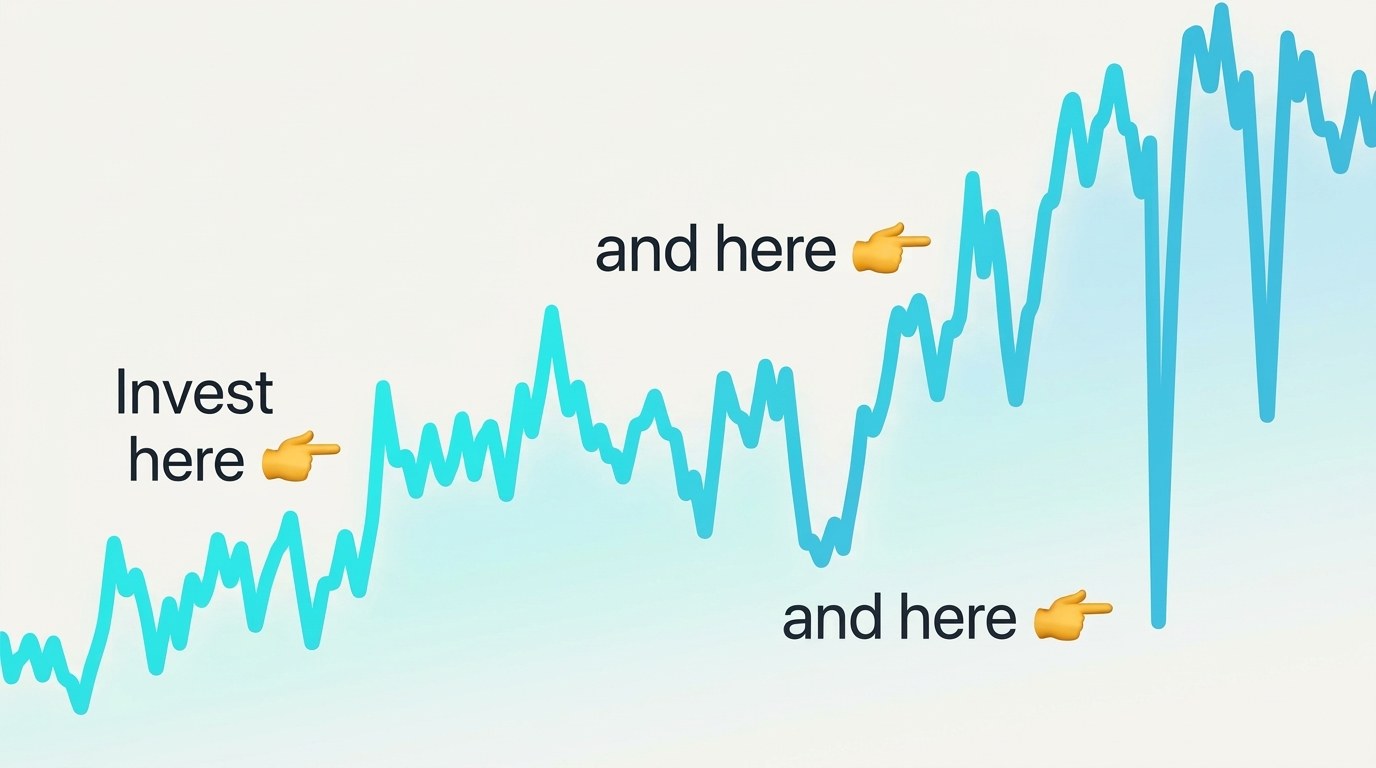
This is where DCA becomes genuinely interesting — in a way, it is the mechanism that helps you make fewer unforced errors in investing. At first glance, dollar-cost averaging sounds almost boring — invest on a schedule, put in a predetermined amount, keep going. The market rises, you buy. The market falls, you buy. No attempt to predict the perfect entry point. No need to make a brand-new decision every week. And that may be exactly the point. DCA is not simply a way of buying an investment in smaller pieces. It moves part of the decision out of the moment. You do not have to ask yourself every month, "is today the right time to invest?" You already made that decision earlier, when the market was quiet and you had a clear head.
That does not make DCA a forecasting tool. It does not guarantee higher returns. It does not guarantee that every decision will be right. It does something much simpler: it means you do not have to turn every market movement into a new investment decision.
And that is where DCA connects naturally with Ellis's Loser's Game. If you cannot reliably win by making the perfect call every time, you can at least try to avoid the mistakes that can derail a long-term plan. Less chasing. Less panic. Less changing course because of a short-term price move. Less forgetting why you started investing in the first place.
Back on that Sunday tennis court: the amateur player doesn't need to hit a shot no one can return. They just need to keep the ball in play, again and again, and let the other side make the mistakes. Maybe investing is not ultimately a contest to see who can predict the market most accurately. Maybe it is a test of whether you can stay with a plan long enough, and make fewer unforced errors, for the plan to matter. The difficult part may never have been knowing where the market goes next. It may be this: when you don't know what comes next, can you still do what you decided was right for the long run?
This piece draws on Charles Ellis's 1975 article “The Loser's Game,” published in the Financial Analysts Journal and later expanded into the book Winning the Loser's Game; the price discovery / value discovery distinction is drawn from Ellis's 2023 interview on the Rational Reminder podcast. This article is educational and does not constitute investment advice.